
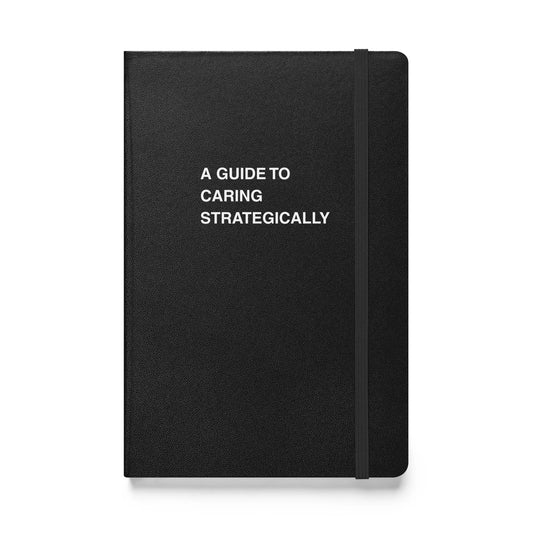


Have you ever made a decision that you regretted right away? Sometimes they are small and insignificant, like ordering fast food to eat. But other times, they are so big that they are sending out an email without reviewing it at all. What if there was a way to use those times as a means for personal development?
A Journal for Bad Decisions is one such place where a notebook is used not only for recording mistakes. But also for analyzing, reflecting, and even laughing at them. Different from conventional journals dedicated to gratitude or setting goals, this kind of journal welcomes transparency, flaws, and the occurrence of some awkward moments.
This guide will show you how a journal for bad decisions can be your insightful companion, your stress reducer, and your personal growth facilitator, at the same time maintaining journaling accessible, relevant, and even slightly enjoyable.
What is a Journal for Bad Decisions?
A bad decisions journal basically is a notebook in which you jot down the times when things did not go your way. It's not that you should be ashamed or guilty; it's that you stop for a moment, reflect, and comprehend.
When you note down the things that went wrong, you give yourself an opportunity to stop, see what decisions you took, and get a good idea of everything. Keeping a record of these is a way to boost self-awareness, identify problem patterns, and get to know one's decision-making style.
Why It’s Different From Traditional Journals
In most cases, gratitude and goal-setting are the main focus of traditional journaling. Keeping a risky decision journal is a completely different thing. It supports being truthful and thoughtful without the need to be perfect.
As for Unimpressed Press, these journals are their thing. Their pages and prompts are made to be relatable, with a bit of humor, and very easy to get along with. Hence, the concept of journaling will not seem like a chore but, instead, a comforting habit.
The Psychology Behind Writing Your Mistakes
Studies indicate that thinking back on what we have done is an effective means of self-improvement. Documenting one's errors in writing can facilitate the recognition of habitual patterns, triggers, and behaviors that might remain unseen without such a reflective practice.
One more reason that writing about your weaknesses is a good activity. Besides that, if you put your experiences on paper, you may gain a better understanding of them as well as a feeling of relief, rather than dwelling on them in your mind time and again. Besides raising one's spirits, a touch of humor also serves as a great source of motivation to continue one's journaling.
Finding humor in your errors is a great way to light up the mood and even transform your character into a stronger one. You will then have the capacity to tackle challenging circumstances with greater relaxation and assurance.
How to Use a Journal for Bad Decisions Effectively
These journals are very flexible. You don't have to follow a strict format. However, if you want to get hold of the journal properly, these tips may come in handy:
Start Simple
You really don't have to write every day. Occasionally, writing is also fine. Concentrate on a few instances or moments that make you think deeply, such as a choice that didn't go your way. Make your entries sincere and straightforward; don't aim for flawlessness.
Spot Patterns
Going through the entries of your journal can be an excellent way to discover areas where you can improve. It is possible, for example, that you will come to the conclusion that you procrastinate a lot.
This overcommitment is your usual mode or even that you are capable of being reactive under certain circumstances. Once you pinpoint these patterns in behavior, you will have made the initial move to making deliberate and well-informed choices in the future.
Mix Honesty With Perspective
Be honest with your choices, but take a positive stance at the same time. A little humor may go a long way in helping you keep the right perspective, turning journaling into a help rather than a stress factor.
Read our guide, ‘How Can a Funny Failure Notebook Turn Mistakes into Laughter?’ to see how humor can transform everyday slip-ups into growth moments.
Benefits of Using a Journal for Wrong Decisions
Writing down your mistakes can be quite instrumental on a number of fronts:
-
Self-Awareness
Looking back on the mistakes you made is essential if you want to understand the reasons why you acted the way you did more deeply. Also, by identifying where your thoughts, feelings, and behaviors diverged, you may uncover elements, the patterns of thought and behavior you have inherited, and ways of self-development that you did not know of previously.
-
Stress Management
Recording mistakes will actually help you let go of your frustrations and stop ruminating. When you write your thoughts, it helps to empty your mind and settle your nerves; it is a really good technique for handling stress.
-
Perspective and Growth
Recording choices help one gain insight. Errors are turned into learning points in this way, instead of becoming triggers of shame. Gradually, adopting this mindset results in strength and assurance.
-
Sustainable Personal Growth
Rather than following strict self-improvement routines, maintaining a journal of mistakes will encourage slow and thorough progress. It offers you the opportunity to develop in a way that is comfortable and achievable.
Why Unimpressed Press Notebooks Are Ideal
Not all notebooks are the same. Unimpressed Press focuses on creating notebooks that are down-to-earth, authentic, and have a small touch of humor. They are made mainly to support and encourage the journaling habit without making it stressful or difficult.
These journals still provoke one's thinking; on the other hand, they don't make the process off-putting. Not only that, but you get a journal that is so imaginative that it really reflects one's personality, different prompts that don't feel quite like a lesson but rather friendly advice, and a layout that really speaks to the very busy person's life. All these make giving time to oneself very engaging.
Key Takeaway
Personal development isn't about having stern schedules or extreme willpower. Occasionally, a mere journal that prompts one to reflect, be truthful, and see things from different angles can be the best instrument.
Writing down the wrong decisions you make in a daily journal is an excellent method of assessing oneself, figuring out the errors, and constructing inner strength. It goes hand in hand with an Unimpressed Press notebook, turning it into a simple and straightforward tool for possessing life with clarity and confidence.
Journaling your mistakes and tracking them through time can be a powerful way to transform errors into valuable life lessons, and all the while not losing your sense of humor or perspective.
FAQs
Can a journal for wrong decisions really help me grow?
Certainly, writing about mistakes makes us more self-aware, reveals our usual mistakes in a way that can be changed, and supports reflection on our actions that leads to positive change.
Do I need to be humorous or sarcastic to use this journal?
Not really. Humor can make journaling fun, but the most significant factors are being sincere and honest.
How often should I write in my journal?
A strict schedule is not necessary. Daily writing is best, but even the occasional entries serve as a great means of reflection.
Can this replace traditional self-help journals?
It can complement them. This journal is about reflection and gaining insight rather than orderly planning of goals or doing positive exercises.
How to journal for decision-making?
When you keep a decision-making journal, you record the details of the situation, various options, expected outcomes, and emotions at the moment of making the decision. Later you also review the results.


